첨단 세라믹 적층 제조: 다양한 분야에서 혁신을 실현하는 최첨단 기술
Introduction
Advanced ceramics inherently possess advantages such as high-temperature resistance, corrosion resistance, and excellent biocompatibility. Additive manufacturing (3D printing) breaks the limitations of traditional production, enabling highly flexible, complex designs. When combined, advanced ceramic 3D printing unlocks transformative applications across healthcare, aerospace, electronics, and defense—with the global market growing at a steady 7–9% annual rate, quietly driving industry-wide upgrades.
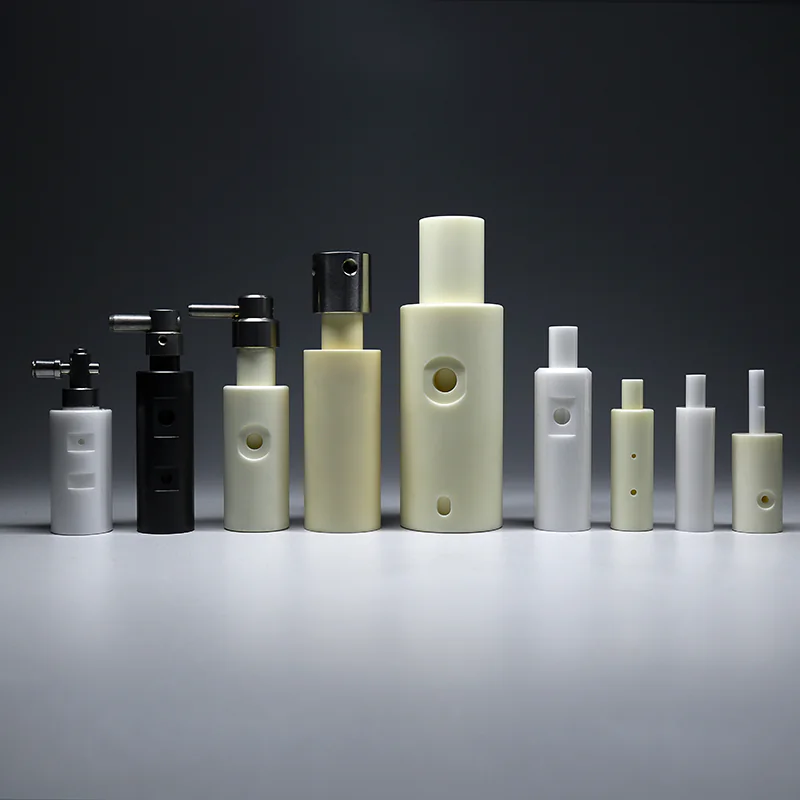
I. Biomedical Field: A “Personalized Expert” for Customized Healthcare
Medical materials demand safety, stability, and a precise fit to individual anatomy, and advanced ceramic 3D printing delivers this with unmatched personalization. For example:
- 3D-printed ceramic dental restorations, sintered at 1500°C, meet international medical strength standards, offering a precise, durable fit that has restored dental function for over 100,000 patients in China’s major hospitals.
- Bionic ceramic bone scaffolds, designed to mimic loofah sponge structures, have undergone rigorous safety testing and animal trials and are now in human clinical trials for femoral head necrosis repair, effectively promoting bone regeneration.
- Absorbable composite ceramic scaffolds are being piloted for pediatric congenital bone defects, providing a flexible, biocompatible alternative to traditional bone regeneration therapies.
II. Electronic Components Field: A Core Helper for “Small Size, Great Power”
As electronics shrink while growing in performance, traditional manufacturing struggles to produce the complex, high-precision components required. Advanced ceramic 3D printing’s precision and integration capabilities make it an ideal solution:
- 3D-printed ceramic antenna arrays are mass-produced for 5G base station communication modules, reducing system weight, speeding assembly, and improving performance while cutting costs.
- Special ceramic signal filters are integrated into the Beidou-3 Navigation System, serving as critical components for high-end communication reliability.
- 3D-printed ceramic substrates optimize insulation and heat resistance in new energy vehicle power modules, boosting electronic component reliability and performance.
III. Aerospace Field: A “Reliable Guardian” for Extreme Environments
Aerospace materials must withstand extreme heat, vacuum, and mechanical stress—requirements that advanced ceramic 3D printing perfectly meets:
- A 3D-printed ceramic composite double-layer shield protects spacecraft exteriors: the inner layer stabilizes temperature, while the outer layer absorbs microwave radiation, ensuring performance in harsh space environments.
- 3D-printed ceramic support structures for large-diameter space telescopes have been deployed on Chinese deep-space satellites, solving the challenge of manufacturing large, complex ceramic components.
- 3D-printed ceramic aero-engine combustion chamber liners have passed prototype testing, accelerating production and enhancing reliability to support the upgrade of national key equipment.
IV. Machinery and Processing Field: A “Hardcore Partner” for High Efficiency and Wear Resistance
In machinery processing, component hardness, wear resistance, and heat resistance directly impact equipment lifespan and efficiency. 3D-printed ceramic parts deliver exceptional performance:
- 3D-printed ceramic cutting tools are used in high-speed production lines for automotive engine aluminum cylinder blocks, offering 30% higher efficiency than traditional metal tools.
- Ceramic seals and bearings are widely used in petrochemical high-temperature pumps, accounting for 10% of advanced ceramic applications in this sector.
- 3D-printed ceramic wear liners for mining equipment conveyors last 5x longer than metal alternatives, reducing maintenance costs and improving energy efficiency.
V. National Defense and Military Field: A “Customization Tool” for Special Needs
Defense applications demand highly customized, high-performance materials—and ceramic 3D printing delivers:
- 3D-printed composite ceramic ballistic plates are mass-produced for individual body armor, stopping 7.62mm armor-piercing rounds while being 40% lighter than steel alternatives.
- 3D-printed transparent ceramics form complex curved optical windows for laser-guided weapons, ensuring precise operation in challenging environments.
- 3D-printed ceramic composite turbine vanes for military aero-engines have completed ground testing, supporting high-performance equipment upgrades and strengthening national defense capabilities.
Conclusion
From life-saving medical devices to national defense systems, and from high-performance electronics to industrial machinery, advanced ceramic 3D printing is expanding its reach as a cornerstone of cross-industry innovation. As the technology matures, it will drive further breakthroughs in key national sectors, supporting high-quality economic growth and technological security.
Previous: Advanced Ceramic Additive Manufacturing
 English
  German
  Korean